


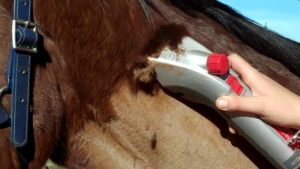
Everyone in the horse world is aware that when winter comes, their horse grows a shaggy, thick winter coat. Horses grow these coats to keep themselves naturally warm (aka no blanket), however with this long coat, the horse also produces a fair amount grease that mixes with the sweat when the horse is being worked out. This can make working your horse in the winter very difficult and even unhealthy as the thick coat is slow to dry which can leave your horse vulnerable to chills that can lead to illness. If you’re riding a sport horse, or your horse is in full time training year-round, body clipping might be a great option for you! Because you are clipping their winter coat, it important to remember to always blanket your horse with at least one, maybe even two blankets depending on where you live and the temperature there.
Types of Body Clipping:
1. Strip Clip: This pattern involves clipping from the jugular, down long the horses neck, through the front of the chest and under the belly. This is great if you’re doing light work with your horse, as you’ll only really need to blanket them in harsh conditions since they have most of their coat.
2. Trace Clip: This pattern involves clipping along the sides and underside of the neck, shoulders and belly. This is a great option because it removes hair where horses sweat the most. This would be good for horses using a harness in their daily exercises, or work with a surcingle.
3. Full Clip: This pattern involves removing all the hair including leg, ears and head. But, this leaves the horse with no protection against the cold, so it important to remember to blanket your horses at all times to make sure the horse doesn’t suffer from any illnesses that it could possibly get from the cold. Full body clip of a horse should only be considered if the horse is engaged in a full, intense workout regimen.
4. Hunter Clip: This pattern involves clipping all the hair except where the saddle would be and on the legs. This is great for horses that are involved in medium to hard workout routines. The extra where the saddle is, helps protect the horse from rubbing or discomfort the saddle might give. As with the full clip, blanketing and warmth management is super important since most of the horse’s hair is gone.
While the types of clips that you can do are important, the type of blade you use is also important for whatever you’re trying to accomplish.

Types of Blades:
1. #10 Coarse Cut: This blade leaves the hair the longest. This is a good blade to use on horses’ leg, full body clip, or if you’re just starting out as it leaves just enough length to make correcting mistakes easier.
2. #40 Surgical Cut: Cuts extremely close to the skin and is a blade you should be very careful and an experienced horse clipper.
3. #30: Medium Cut: This blade is good for show horses when you need to remove hair from the face, inside of horses’ ears, and around the eyes and nose. Since this blade does deal with the face, it’s important to be super careful!
Clipping a horse can be a great tool for both horse and rider if done properly and the right safety measures are taken. Before you clip your horse, it’s important to know how much your horse sweats, what is acceptable for your discipline, how much work you put in during the winter, and make sure you have ample blankets for your horse if you do decide to clip them since they will no longer have their fur to keep them warm.


