


The Importance of Monitoring Horse Health
As a horse owner, ensuring your horse’s happiness and well-being is a top priority. A healthy horse not only performs better but also enjoys a longer, more fulfilling life. But how can you tell if your horse is truly thriving? By paying attention to physical and behavioral signs, you can quickly identify whether your horse is in peak condition or if something needs attention. Here are the top five signs of a happy and healthy horse.
1. Shiny Coat and Clear Eyes
A horse’s coat and eyes are strong indicators of overall health. A healthy horse will have:
- A glossy, well-groomed coat (even in winter, the hair should be thick but not dull).
- Bright, clear eyes without excessive discharge or cloudiness.
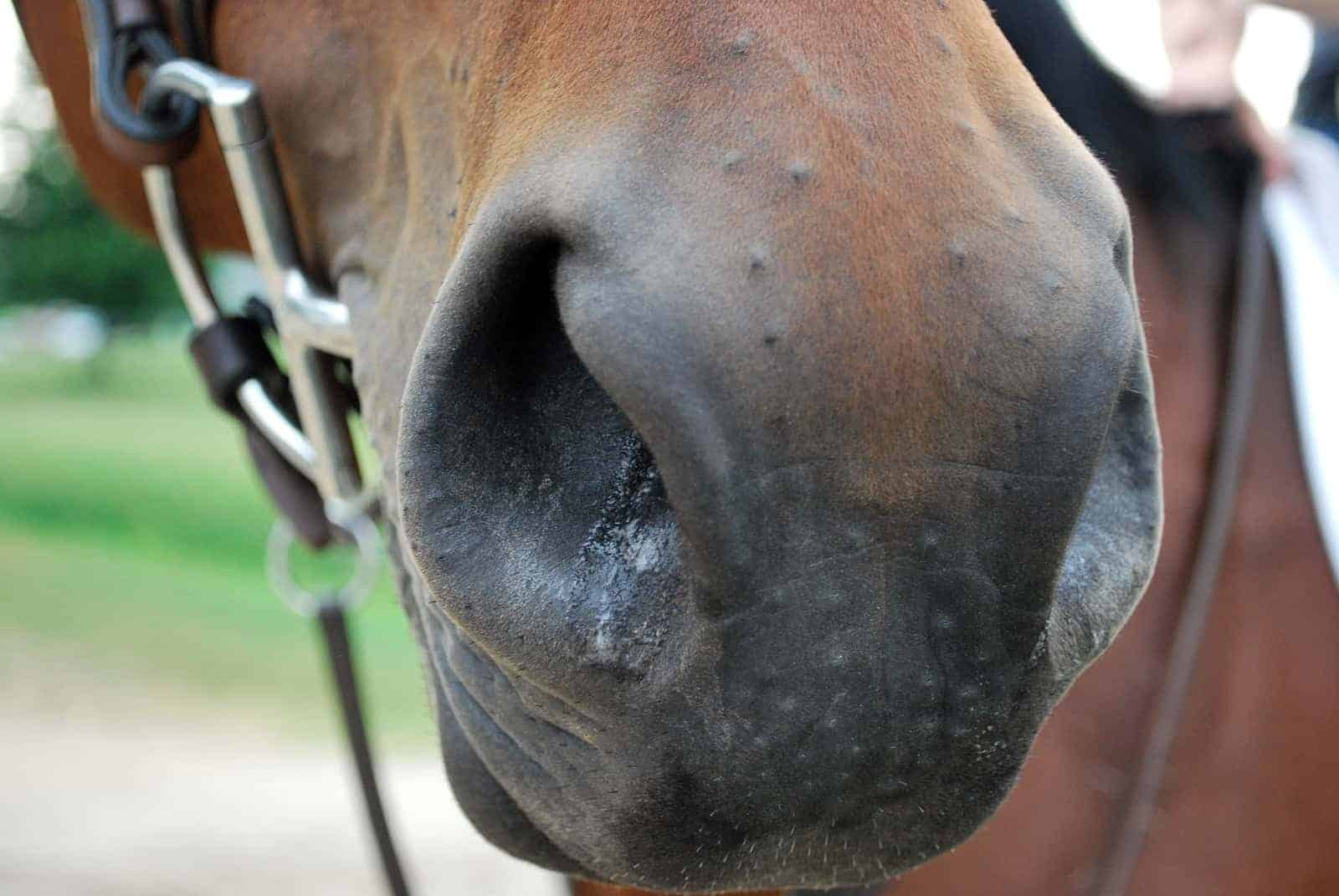
- Smooth skin, free from sores, bumps, or excessive itching.
A dull coat or cloudy eyes may indicate nutritional deficiencies, dehydration, or underlying health issues.
2. Good Appetite and Hydration
A happy, healthy horse will eagerly consume its daily meals and drink plenty of fresh water. Signs of proper appetite and hydration include:
- Eating hay, grain, and grass consistently without hesitation.
- Drinking at least 5-10 gallons of water per day.
- Normal manure consistency (not too dry or too loose).
If your horse suddenly loses its appetite or drinks excessively, it could be a sign of colic, dental issues, or illness.
3. Energetic but Calm Behavior
A healthy horse should be alert, curious, and responsive but not overly anxious or aggressive. Look for:
- A willing attitude when being handled or ridden.
- A calm, relaxed demeanor in familiar surroundings.
- Engagement with its environment, such as watching people and other horses with interest.
If a horse appears lethargic or overly nervous, it may be experiencing stress, discomfort, or illness.
4. Regular, Healthy Movement
A horse in good health should move smoothly and comfortably without signs of stiffness or lameness. Key indicators include:
- Even strides at all gaits (walk, trot, and canter).
- No limping, stiffness, or favoring of a leg.
- Willingness to run, buck, and play in turnout areas.
If you notice lameness, reluctance to move, or stiffness, it’s best to consult a veterinarian or farrier.
5. Positive Interaction with Handlers and Other Horses
Horses are social animals, and their interactions with humans and other horses can indicate their mental well-being. A happy horse will:
- Approach handlers willingly and respond positively to grooming.
- Interact with other horses calmly, showing friendly curiosity rather than aggression.
- Exhibit contentment in turnout areas, rather than isolation or excessive pacing.
A horse that avoids contact, acts aggressively, or seems overly withdrawn may be experiencing pain, stress, or anxiety.
Give Your Horse the Best Care at North Texas Equestrian Center!
Ensuring your horse stays happy and healthy starts with proper care, nutrition, and a positive environment. At North Texas Equestrian Center, we provide top-quality horse boarding and care services, ensuring your horse receives the best attention possible. Contact North Texas Equestrian Center today to learn more about our premium horse boarding services!


