


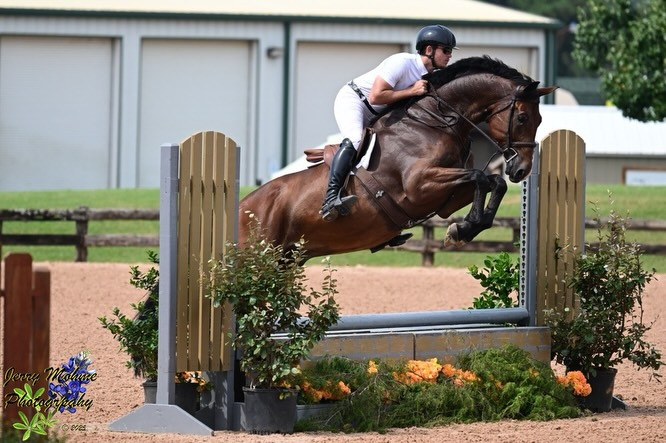
Whether you’re booking your first lesson or upgrading from a beginner program, the instructor you choose will shape everything — your confidence, your technique, and how much you actually enjoy riding. In the DFW area, options range from backyard hobby farms to nationally-certified training facilities, and the difference is enormous.
Why the Right Instructor Changes Everything
Horseback riding is one of the few sports where a poor foundation can create habits that take years to unlearn. A qualified instructor doesn’t just teach you to stay on — they teach you to communicate with the horse, sit correctly, apply aids consistently, and build confidence through progressive challenges. Riders who skip this foundation often plateau fast or develop fear after a fall that a safer program would have prevented.
1. Look for Recognized Certification
In the U.S., the two most respected instructor certification bodies are PATH International (therapeutic/adaptive) and USDF (United States Dressage Federation) for dressage disciplines, but for general English and Western instruction, look for instructors certified through CHA (Certified Horsemanship Association) or who hold active USEF membership. Certification means the instructor has passed a skills evaluation, maintains continuing education, and is accountable to a governing body.
2. Ask About the Lesson Horses
A reliable school horse is patient, responsive to basic aids, and appropriate for a beginner’s skill level. When visiting a barn, ask: How old are the lesson horses and how many hours per week do they work? When was the last vet and farrier visit? Are lesson horses on a regular vaccination and deworming schedule? An overworked or undertreated horse is a safety risk. Any facility that deflects these questions should be a red flag.
3. Visit Before You Commit
A reputable barn in the DFW area will welcome a barn visit before your first lesson. Watch an active lesson. Note: Does the instructor maintain a calm, encouraging tone? Are riders wearing ASTM/SEI-certified helmets? Is the arena footing consistent and safe? Are horses handled respectfully — no yanking, no hitting? If the facility feels rushed, chaotic, or dismissive, trust that.
4. Understand the Lesson Structure
Good programs follow a progression: ground work and tack basics → walk → trot → canter, with each step confirmed before moving forward. Be wary of any program that puts beginners in a canter or jumping situation within the first few lessons “for fun.” Private lessons (30–45 minutes) are ideal for beginners. Semi-private or group lessons can work for intermediate riders but slow progress for newcomers.
5. Check the Safety Culture
Every instructor should require an approved helmet. Boots with a heel (minimum 1 inch) should be required from day one. A serious barn will also have: a signed liability waiver, emergency procedures posted in the barn, a first aid kit on site, and clear protocols if a rider falls. If a barn lets you get on a horse without a helmet “just for photos,” that’s the culture — it won’t improve once you’re a paying student.
What to Expect from Lessons in North Texas
The DFW area has a strong equestrian community. Facilities range from small lesson barns in Wylie, Rockwall, and Forney to larger training centers in Weatherford and Celina. Trail ride-only programs are not a substitute for structured lessons if your goal is actually learning to ride.
NTEC DFW: Structured Lessons in Wylie, TX
At NTEC DFW, we offer English and Western lessons for riders of all levels in a structured, safety-first environment. Our lesson horses are carefully selected and well maintained. Located in Wylie, TX, we serve riders from across Dallas-Fort Worth including Plano, Garland, Rockwall, and McKinney. Call us at (972) 442-7544 or use our contact form to schedule a time.


